Exploring nanobanana-pro.studio for Physics-Aware AI Image Generation
When I first started working with AI image generators, I was struck by how often the results looked good at a glance but fell apart under scrutiny. Shadows would float in the wrong direction, reflections would ignore the laws of physics, and text within images would come out as gibberish. These problems made professional imaging workflows difficult to trust. That is why the emergence of physics-aware tools like those found at nanobanana-pro.studio feels like a genuine step forward. The combination of Google Gemini 3 Pro technology with real-world simulation creates images that do not just look impressive but hold up to the kind of scrutiny that art directors and engineers demand.
Physics simulation in image generation is not a small feature. It changes how we think about visual content creation. Instead of telling a neural network to draw a glass of water and hoping it understands refraction, the system actually models the behavior of light and materials. This means reflections curve correctly, liquids distort objects behind them in plausible ways, and shadows fall with the right softness depending on the light source. For someone who spends a lot of time in digital photography and design automation, this is the difference between a mockup and a usable asset.
What Makes Physics-Aware Generation Different
Most text-to-image tools rely on stable diffusion or similar architectures. They generate pixels based on patterns learned from millions of images. That approach works well for style and composition, but it often fails at physical consistency. A standard AI image generator might place a light source in one position and then render shadows that suggest a completely different origin. With physics simulation built into the pipeline, the system reasons about geometry and illumination. The result is that professional imaging tasks like product visualization or architectural renderings become more reliable.
I have tested several tools where I needed to generate a product shot with specific lighting conditions. Without physics awareness, I would have to generate dozens of variations and pick the one that looked least wrong. With the approach used at nanobanana-pro.studio, the first or second attempt often gets the physics right. That saves hours of manual correction in post-production. The integration of Google Gemini 3 Pro provides the language understanding side of the equation. It interprets complex prompts with multiple constraints and translates them into parameters the generative model can follow precisely.
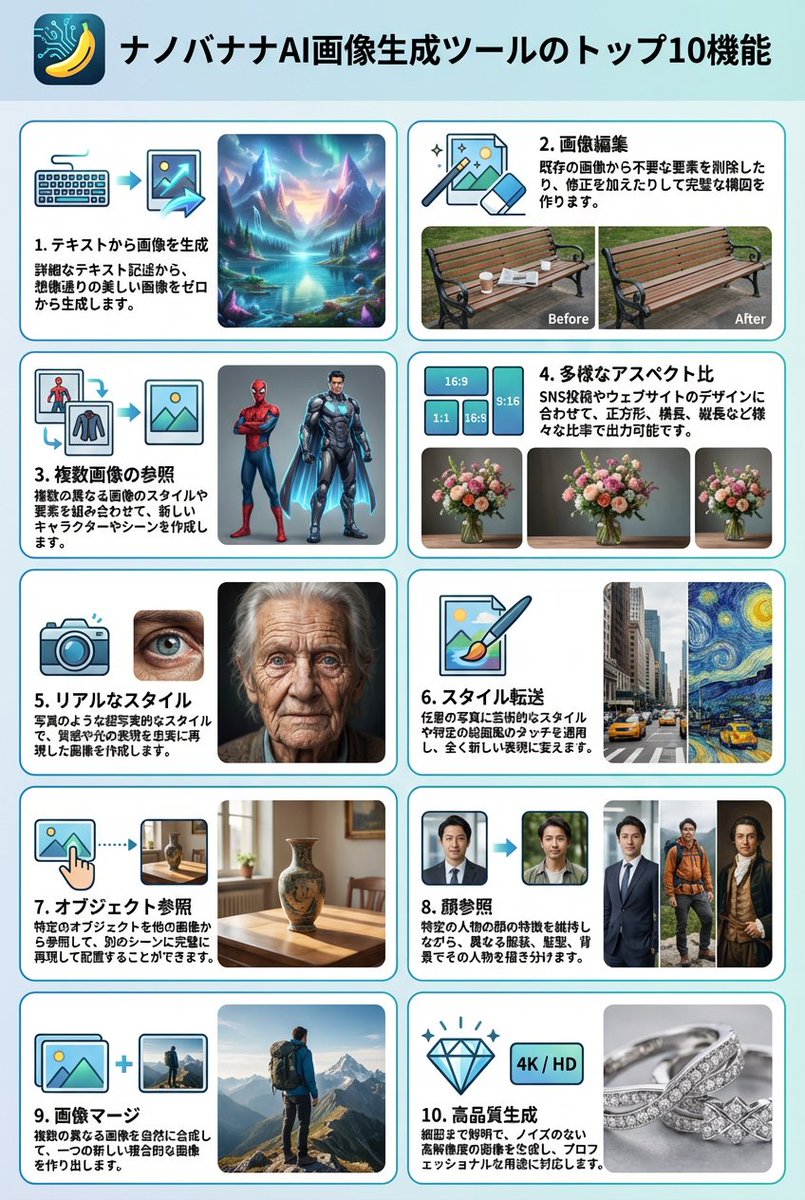
Precision with Text and Multilingual Support
One of the most frustrating aspects of earlier AI rendering tools was their inability to handle text inside images. If you needed a sign, a label, or a headline rendered as part of the scene, you would get distorted characters or completely invented words. The multilingual AI capabilities in this system address that directly. The model understands that text has meaning and structure, not just visual texture. This makes it suitable for creating mockups of packaging, signage, or UI elements where the text must be legible and correct.
Working across languages is another advantage. Many creative software tools are English-first, but visual content creation is a global industry. Being able to prompt in multiple languages and get consistent results matters for teams that operate across borders. It also helps when generating localized versions of marketing materials or educational content. The combination of multilingual AI and physics-aware generation means you can describe a scene in your native language and trust that the output will respect both the linguistic and physical details.
From 4K Resolution to Practical Workflows
Resolution has always been a sticking point for generative art. Many tools produce decent results at small sizes but fall apart when you try to upscale them. The 4K resolution output available here changes that. For professional imaging, 4K is not a luxury; it is a baseline for print, video, and high-resolution displays. The system generates images at that resolution natively, using image upscaling techniques that preserve detail rather than adding artifacts. This is especially useful when you need to crop or reframe an image later.
I have used it for generating background plates for composite photography. In the past, I would generate a low-res version, upscale it with a separate tool, and then spend time cleaning up the artifacts. Now the process is simpler. The AI rendering pipeline handles the upscaling as part of the generation, and the physics simulation ensures that the lighting matches across the entire scene. This kind of integration is what makes design automation actually practical for day-to-day work.
Trade-offs and Real-World Use
No tool is perfect, and understanding the trade-offs helps you use it better. Physics-aware generation is computationally expensive. Simulating light and materials in real time requires more processing than generating an image from pure pattern matching. That means generation times can be longer, especially for complex scenes at 4K resolution. For quick brainstorming or rough drafts, a faster but less accurate tool might be a better fit. For final assets where consistency matters, the extra time is worth it.
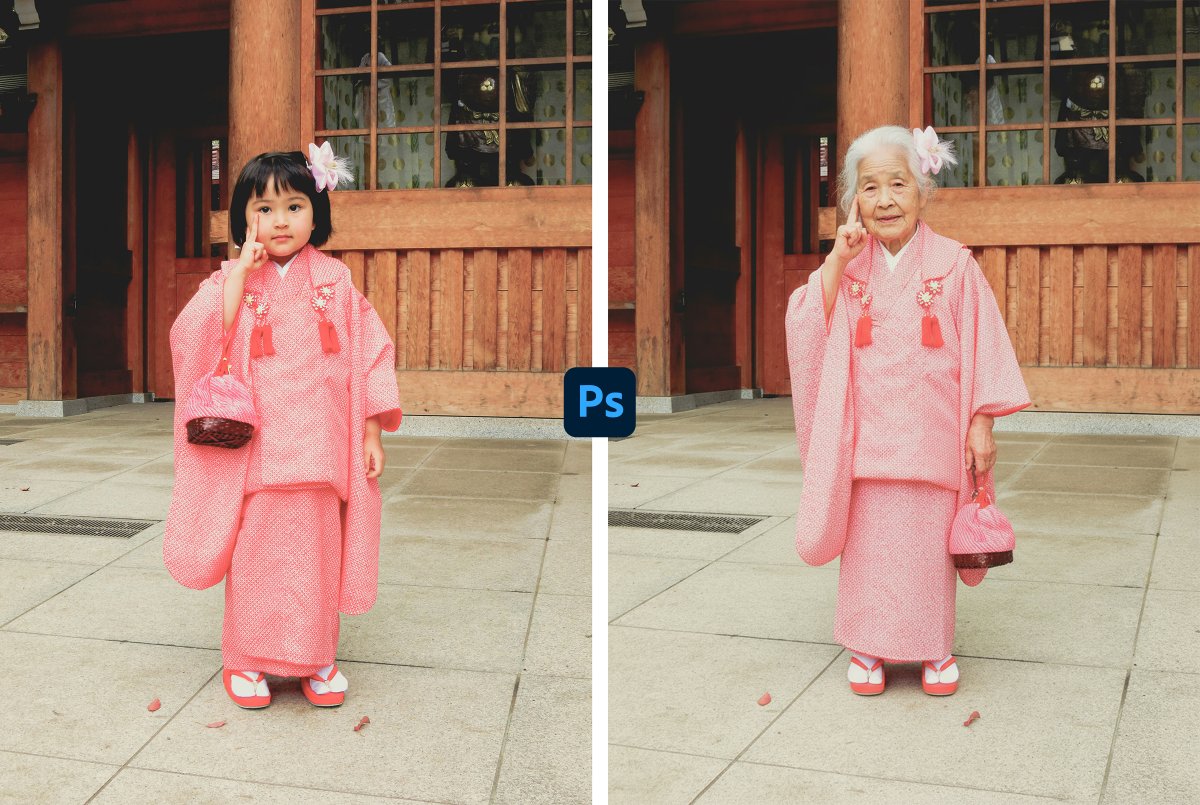
Another consideration is the learning curve. If you are used to prompting a standard text-to-image model, you might need to adjust your approach. Because the system respects physics, you cannot just ask for impossible scenes and expect a coherent result. A room with no light source, for example, will not render well because the simulation has nothing to work with. This is actually a feature once you get used to it. It forces you to think about your scene in realistic terms, which often leads to better compositions anyway.
Neural network architectures continue to evolve, and the gap between general-purpose image generation and specialized tools like this one is widening. For generative art that needs to look good and be physically plausible, the dedicated approach wins. The integration with Google Gemini 3 Pro also means that the language understanding side keeps improving. As the underlying models get better at parsing complex instructions, the quality of the output will only increase.
Practical Applications Across Industries
I have seen this used effectively in several domains outside of my own work. Architects use it to generate preliminary visualizations of interior spaces where the lighting and material properties are accurate enough to present to clients. Product designers create mockups of packaging with correct text and reflections, reducing the need for physical prototypes early in the process. Educators in physics and engineering use it to illustrate concepts like refraction, shadow formation, and material interaction in a way that is both visually clear and scientifically correct.
The platform at nanobanana-pro.studio is structured as an AI studio, meaning it offers a range of tools beyond just image generation. You can tweak parameters, adjust the physics simulation settings, and control the output in ways that a simple web interface would not allow. For anyone working in visual content creation who needs results that go beyond the typical generative art output, this is worth evaluating. The combination of physics simulation, 4K resolution, and multilingual support makes it a versatile addition to a professional toolkit.
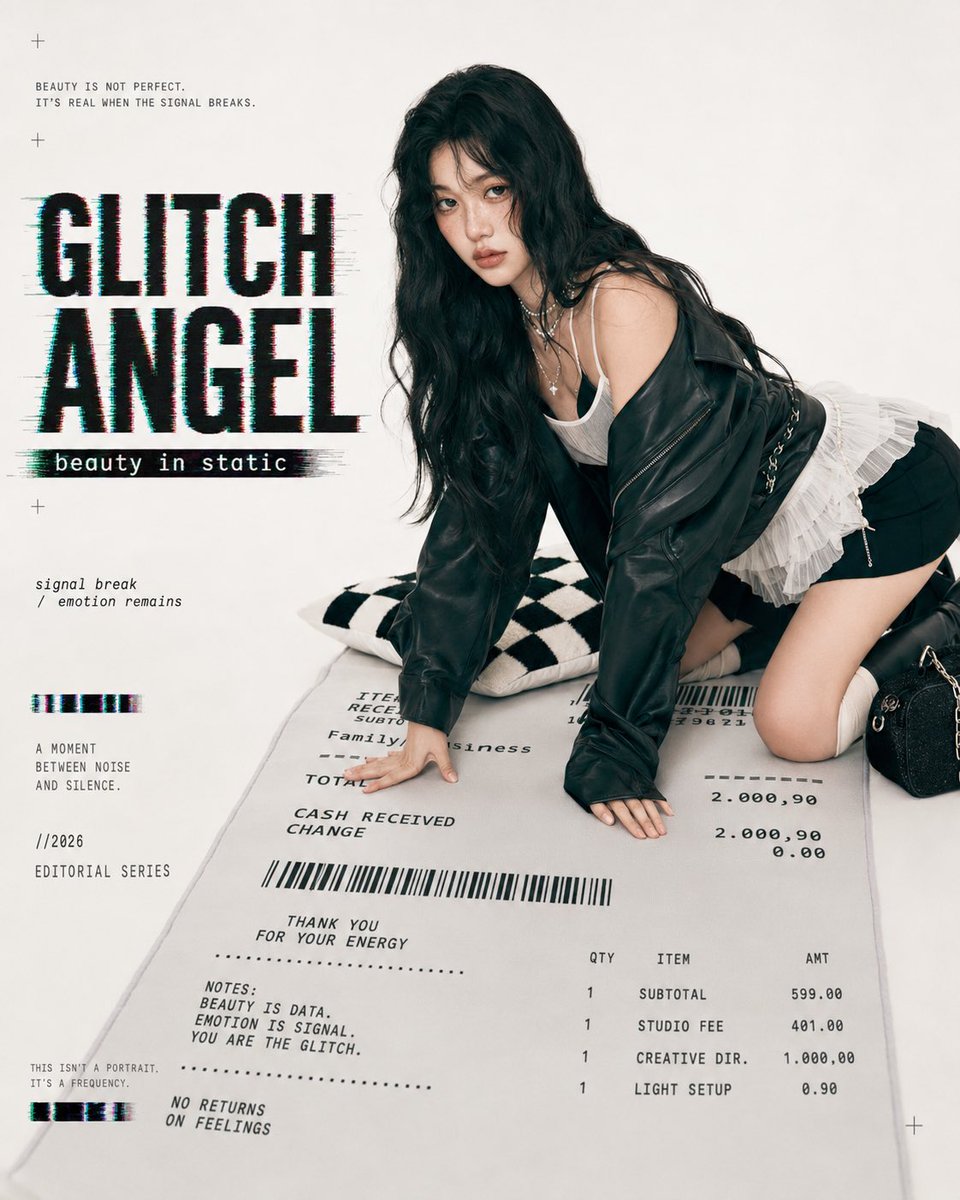
If you are already familiar with stable diffusion or other generative models, you will recognize the underlying principles but find the execution different. The emphasis on physical accuracy changes the way you prompt and the kind of results you can expect. For tasks where precision matters - like architectural visualization, product photography mockups, or educational diagrams - the investment in learning the tool pays off quickly.
Looking Ahead
As machine learning continues to advance, the line between specialized tools and general-purpose models will blur. But for now, having a system that explicitly models physics and handles text correctly gives you a distinct advantage in professional imaging. The field of AI image generation is moving fast, and tools that offer verifiable consistency rather than just aesthetic appeal are the ones that will stick around. Whether you are a designer, an artist, or an engineer, understanding what physics-aware generation can do will help you make better decisions about your visual content creation workflow.